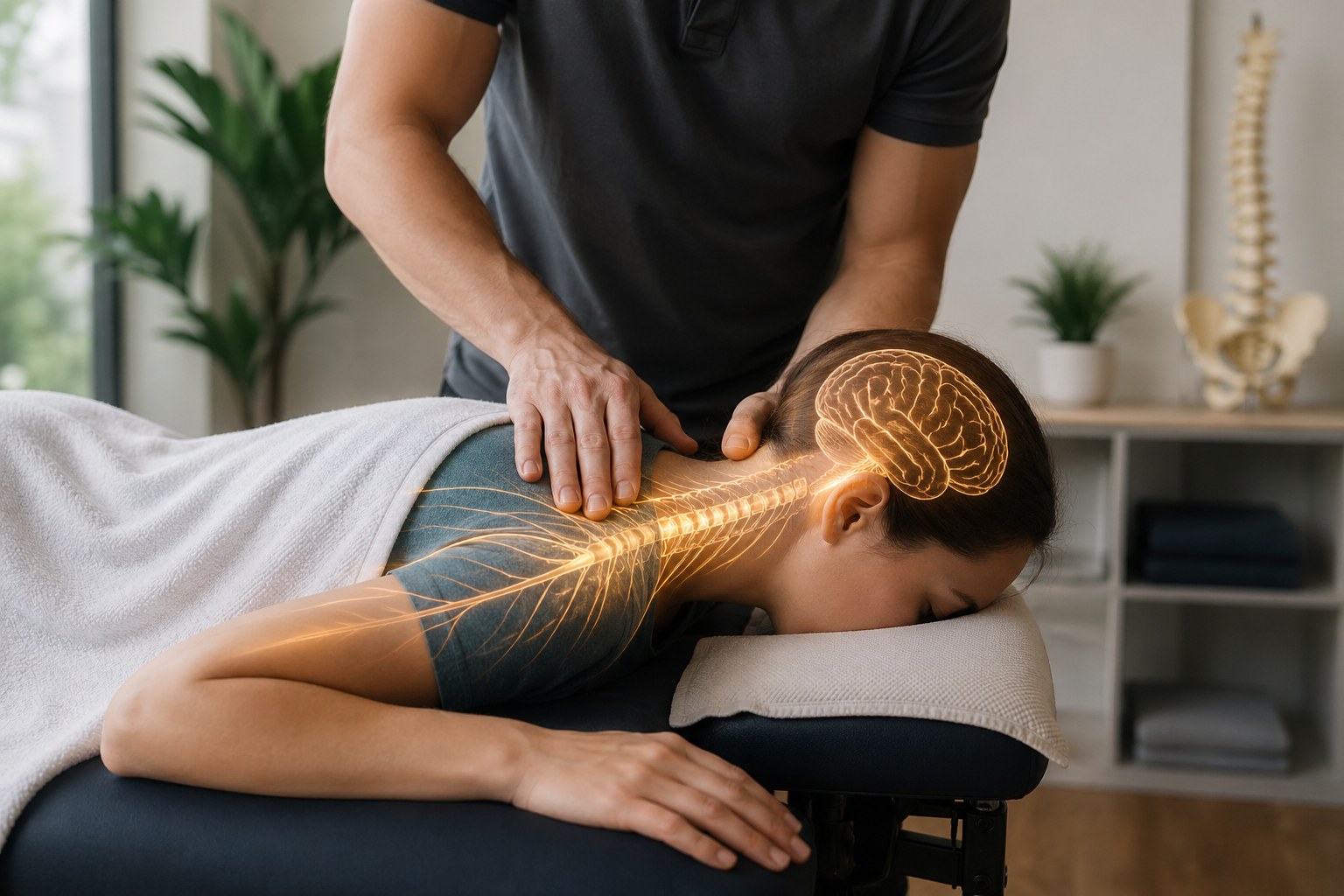
Have you ever noticed your shoulders tightening after a stressful week? Or found yourself lying awake at night because your mind simply will not slow down?
Stress does not only affect your thoughts. It can also have a significant impact on your body. Muscle tension, headaches, fatigue, disrupted sleep, and lingering aches are often physical signs of emotional strain.
At Trickett Psychotherapy, we regularly see how closely mental and physical health are connected. As more people in Guelph recognize this relationship, many are exploring an integrated approach to care that supports the whole person instead of treating symptoms in isolation.
Understanding the Mind-Body Connection
Living with chronic pain or physical discomfort can also affect mood, increase stress, and make everyday challenges more difficult to manage.
Rather than viewing mental and physical health as separate, modern healthcare increasingly recognizes that they influence one another in meaningful ways.
A Whole Person Approach to Wellness
Many healthcare professionals now follow the biopsychosocial model, which considers the biological, psychological, and social factors that influence a person’s overall well-being.
Instead of focusing only on symptoms, this approach looks at the complete picture by considering:
For many individuals, this whole person approach leads to more meaningful and lasting improvements in overall health.
How Psychotherapy Supports Mental and Physical Well-Being
Psychotherapy is much more than talking about life’s challenges. It is an evidence-based approach that helps individuals better understand their thoughts, emotions, behaviors, and responses to stress.
Our psychotherapy services in Guelph help individuals:
As emotional well-being improves, many people also notice positive changes in other areas of life, including better sleep, improved concentration, reduced stress, and greater self-awareness.
However, emotional healing is only one part of the recovery process. For some individuals, the body may continue to hold patterns of tension or discomfort even as their mental well-being improves.
Supporting the Physical Effects of Stress
Stress often leaves lasting effects on the body. Tight muscles, restricted movement, and recurring discomfort can continue long after the source of stress has passed.
For this reason, some individuals choose to complement psychotherapy with physical care.

These treatments may help support:
While psychotherapy helps individuals understand and manage the emotional impact of stress, physical therapies may help reduce the tension that stress creates within the body. Together, these approaches provide more comprehensive support for overall well-being.
The Nervous System: Where Mind and Body Meet
One of the strongest connections between mental and physical health is the nervous system.
When stress becomes chronic, the nervous system can remain in a constant state of activation, affecting:
Psychotherapy helps individuals regulate their emotional responses by developing greater self-awareness, healthier coping skills, and emotional resilience. Physical treatments, such as chiropractic care, may complement this process by supporting mobility, reducing muscle tension, and improving physical comfort.
This is why effective care often combines two approaches:
- Top down, addressing thoughts, emotions, and behaviors through psychotherapy.
- Bottom up, supporting the body through physical treatments such as chiropractic care and massage therapy.
Together, these approaches can help regulate the nervous system more effectively and support both emotional and physical well-being.
The Benefits of an Integrated Approach
Every person’s experience is unique, and no single treatment approach is right for everyone. However, many individuals who combine psychotherapy with appropriate physical care report benefits such as:
Rather than choosing between mental health care and physical care, an integrated approach recognizes that these services can work together to support long term wellness.
Collaborative Care for Better Well-Being
Working alongside a provider such as Norfolk Chiropractic Wellness Centre as part of a broader care plan can help address both the emotional and physical effects of stress. This kind of collaboration does not replace one form of care with another. Instead, it creates a more complete support system that reflects how people actually experience health, recovery, and well-being.

Looking Ahead
As more people look for approaches that address the whole person rather than temporary solutions, integrated care is becoming an increasingly important part of modern wellness in Guelph and across Ontario.
After all, the mind and body are not separate systems. They are closely connected, working together to shape our overall health and well-being.
Looking for Support?
If you are dealing with both stress and physical discomfort, exploring a combined approach may help you move forward in a more sustainable way.
At Trickett Psychotherapy, we believe mental health is an important part of overall wellness. Alongside providers such as Norfolk Chiropractic Wellness Centre, this integrated approach reflects a growing shift toward more connected, client-centered care in Guelph, supporting both mental and physical well-being.